
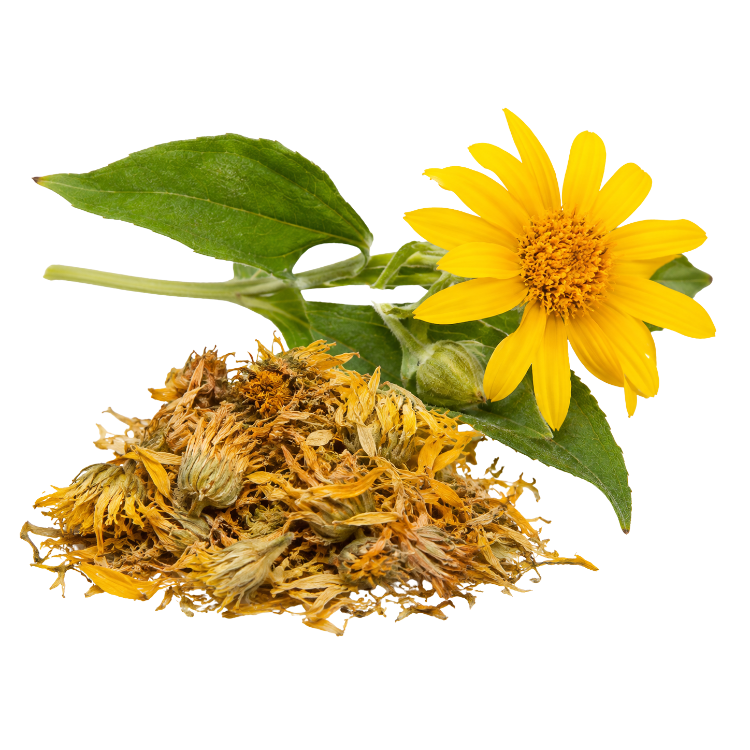
 Image 1 of 1
Scientific Name: Arnica montana L.
Common Names: Mountain Arnica, Leopard’s Bane, Mountain Tobacco, Wolf’s Bane
Botanical Family: Asteraceae (Daisy Family)
Plant Parts Used: Primarily flowers
Primary Application: External use only
Anti-inflammatory: May help reduce localized inflammation.
Analgesic: Traditionally used for muscle and joint discomfort.
Anti-edematous: May help reduce swelling.
Anti-bruising: Traditionally used to support the resolution of bruises.
Muscle recovery: Used for soreness, strains, and sprains.
Joint support: May provide temporary relief of osteoarthritis discomfort.
Antimicrobial: Demonstrates activity in laboratory studies; clinical benefits are unproven.
Element: FIRE
Day/Planet: TUESDAY/MARS
Chakra: ROOT
Protection & Defense
Healing & Vitality
Cleansing & Purification
Travel Protection
Spiritual Awareness & Growth
Strengthening Personal Boundaries
For external use only. Do not ingest. Arnica may cause allergic reactions and should not be applied to broken skin. Avoid during pregnancy and breastfeeding. Consult a qualified healthcare professional before use if taking prescription medications, particularly blood thinners, or managing a medical condition. Keep out of reach of children.Safety Warnings & Contraindications
Do not ingest raw or dried Arnica montana. It is potentially toxic when consumed as tea, tincture, powder, or capsules containing meaningful amounts of the herb. Oral exposure can cause vomiting, gastrointestinal injury, bleeding, heart disturbances, and serious poisoning.
Avoid use or seek medical guidance if:
Pregnant or breastfeeding.
Allergic to ragweed, chamomile, daisies, marigolds, chrysanthemums, or related plants.
Experiencing bleeding or clotting disorders.
Preparing for surgery or recovering from a surgical procedure.
Managing severe liver or kidney disease.
Under 12 years of age.
Topical precautions: Do not apply to broken, irritated, or damaged skin, open wounds, or mucous membranes. Discontinue if redness, itching, rash, or irritation occurs.
Drug & Herbal Interactions
Use particular caution with:
Anticoagulants: Warfarin, heparin, apixaban, rivaroxaban.
Antiplatelet medications: Aspirin, clopidogrel.
NSAIDs: Ibuprofen and naproxen, particularly when bleeding risk is increased.
Blood pressure medications: Possible interference.
Corticosteroids: Potential interactions warrant medical review.
Herbal supplements: Ginkgo, garlic, ginger, and ginseng, especially in concentrated supplemental forms