
 Image 1 of 1
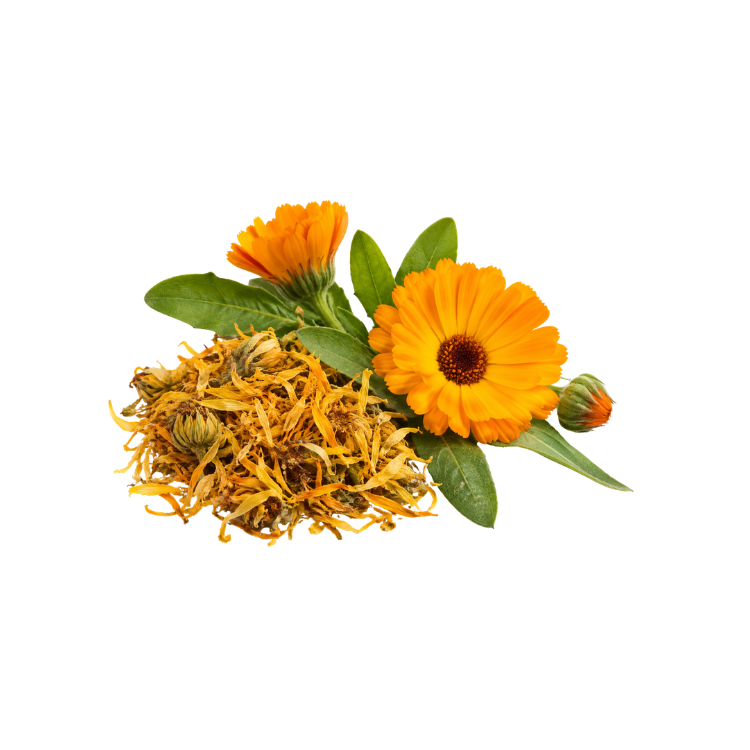
Calendula Flower **Dried Herb 4oz**
Scientific Name: Calendula officinalis L.
Common Names: Calendula, Pot Marigold, Garden Marigold, English Marigold, Marybud, Goldbloom
Botanical Family: Asteraceae (Daisy Family)
Plant Parts Used: Dried flowers, including whole flower heads and petals
Primary Application: Internal use — traditionally prepared herbal teas, botanical infusions, and culinary preparations; external use — botanical baths, herbal compresses, skin washes, infused oils, and ceremonial uses
Medicinal Properties & Traditional Uses
Anti-inflammatory: Contains triterpenoids and flavonoids investigated for their ability to reduce inflammation and soothe irritated tissues.
Wound Healing: Traditionally used to support the healing of minor cuts, abrasions, superficial wounds, and skin irritation.
Antioxidant: Rich in flavonoids, carotenoids, and phenolic compounds that help protect cells against oxidative stress.
Antimicrobial: Calendula flower extracts demonstrate antibacterial and antifungal activity in laboratory studies.
Antiseptic: Traditionally incorporated into botanical washes and skin preparations intended to cleanse minor superficial wounds.
Skin Soothing: Traditionally used to calm minor redness, dryness, itching, and inflammatory skin discomfort.
Tissue Restoration: Contains botanical compounds investigated for their potential role in supporting tissue repair and regeneration.
Digestive Support: Historically consumed as an herbal infusion for mild digestive discomfort, although clinical evidence is limited.
Oral Health: Traditionally prepared as a mouth rinse or gargle to soothe minor inflammation of the mouth, gums, and throat.
Menstrual Support: Historically used in European herbal traditions to encourage menstrual flow and relieve menstrual discomfort.
Lymphatic Support: Traditionally regarded by Western herbalists as a lymphatic herb used in practices intended to support healthy fluid movement and tissue function.
Skin Rejuvenation: Traditionally incorporated into botanical skincare preparations to nourish, soothe, and improve the appearance of dry or irritated skin.
Magickal Correspondences & Uses:
Planet: Sun
Days of the Week: Sunday
Element: Fire
Chakra: Solar Plexus & Heart
Astrological Signs: Leo
Solar Empowerment: Symbolically strengthening personal power, confidence, vitality, and the radiant expression of one's authentic self.
Protection: Traditionally incorporated into protective charms, sachets, and spiritual workings intended to guard against negativity and unwanted influences.
Prosperity & Abundance: Supporting intentions involving financial growth, favorable opportunities, success, and the attraction of beneficial circumstances.
Joy & Happiness: Encouraging optimism, emotional warmth, gratitude, and a renewed appreciation for life's blessings.
Healing & Restoration: Symbolizing the replenishment of physical vitality, emotional well-being, and spiritual strength.
Love & Attraction: Traditionally incorporated into workings intended to attract affection, strengthen relationships, and encourage loving connections.
Confidence & Personal Power: Supporting intentions to overcome self-doubt, embrace self-worth, and move through life with courage and authority.
Spiritual Protection of the Home: Used in contemporary protective sachets, altar arrangements, and cleansing rituals intended to encourage harmony and positive energy.
Success & Favor: Traditionally associated with favorable outcomes, recognition, victory, and attracting beneficial attention.
Dream Magic: Historically associated in European magical folklore with prophetic dreams, spiritual insight, and receiving guidance through dreams.
Divination & Spiritual Insight: Symbolically illuminating hidden truths, strengthening discernment, and encouraging clarity during tarot, oracle, and intuitive practices.
Renewal & Transformation: Representing the return of hope, the restoration of personal strength, and the emergence of new possibilities following difficult experiences.
The Sacred Flower of Solar Power, Prosperity & Divine Restoration
Calendula is a radiant golden botanical associated with solar empowerment, spiritual protection, prosperity, emotional healing, and the restoration of personal vitality. Its brilliant yellow and orange blossoms symbolize the life-giving energy of the Sun, illuminating the path toward greater confidence, joy, abundance, and personal fulfillment.
Its golden petals represent warmth, resilience, renewal, and the transformative power of embracing one's authentic light. Through its symbolic connection with the Sun and the element of Fire, Calendula embodies vitality, courage, confidence, success, and the conscious expression of personal power. Its association with the Solar Plexus Chakra encourages self-worth, determination, and empowered action, while its connection to the Heart Chakra symbolizes love, compassion, emotional restoration, and harmonious relationships.
In traditional and contemporary spiritual herbalism, dried Calendula flowers are incorporated into prosperity jars, protection sachets, spiritual baths, altar offerings, dream pillows, candle rituals, and workings intended to attract favorable circumstances, restore joy, and strengthen personal confidence. Calendula is especially suited to rituals focused on abundance, emotional healing, spiritual illumination, self-love, protection, and the manifestation of beautiful new beginnings.
Neuroaffirmative Statement for Prayer & Ritual Use:
I am radiant with confidence, vitality, and the golden energy of abundance. My mind recognizes opportunities, my heart welcomes love, and my spirit shines with clarity, courage, and purpose. I release self-doubt, outdated limitations, and every belief that has restricted my growth. I confidently recognize my worth, embrace my gifts, and take inspired action toward the life I desire. Prosperity flows through the opportunities I recognize and the decisions I make. My energy is protected, my relationships are harmonious, and my actions align with my highest good. I am worthy of joy, beauty, success, and fulfillment. Each day, I become more empowered, more resilient, and more receptive to the blessings unfolding in my life.
Safety Warnings & Contraindications
Drug & Herbal Interactions
Use caution with:
Sedative Medications: Clonazepam, lorazepam, zolpidem, phenobarbital, and other central nervous system depressants. Calendula has been suggested to possess mild sedative properties, creating a theoretical risk of increased drowsiness. Clinically significant interactions have not been established.
Sedative Herbs & Supplements: Valerian, kava, passionflower, hops, and other calming herbs may theoretically increase drowsiness when combined with medicinal calendula preparations.
Prescription Medications: No clinically significant drug interactions have been well documented for traditionally prepared calendula flower infusions. Individuals taking prescription medications should consult a healthcare professional before regular medicinal use.
Important: Dried Calendula flowers have a long history of traditional use in herbal teas, culinary preparations, skin treatments, and botanical remedies. Calendula is generally well tolerated by many individuals; however, medicinal safety depends on preparation, quantity, individual sensitivity, and existing health conditions. Long-term medicinal use and concentrated preparations have not been adequately studied.
Avoid use or consult a healthcare professional if:
Pregnant or trying to conceive. Internal medicinal use is not recommended because reproductive safety has not been established and traditional emmenagogue activity raises concerns during pregnancy.
Breastfeeding, because sufficient information regarding medicinal safety during lactation is unavailable.
Allergic to ragweed, chrysanthemums, daisies, chamomile, arnica, or other plants in the Asteraceae family.
Preparing for surgery. Inform the surgical team about all medicinal herbal preparations being used; discontinuation may be recommended because of uncertain interactions with anesthesia and sedatives.
Taking sedative medications or experiencing excessive drowsiness, particularly when considering concentrated internal preparations.
Under 6 years of age when considering medicinal skin preparations, or under 12 years of age when considering medicinal mouth and throat rinses, according to European Medicines Agency guidance.
Living with a significant chronic medical condition or taking multiple prescription medications.
Experiencing severe burns, deep wounds, infected wounds, or persistent skin inflammation requiring professional medical assessment.
Experiencing persistent mouth or throat inflammation, unexplained oral lesions, or symptoms lasting longer than one week.
Possible Side Effects: Allergic reactions, itching, redness, contact dermatitis, skin sensitization, or mild digestive discomfort may occur. Individuals sensitive to plants in the Daisy family may be at increased risk of allergic reactions.
Special Precautions: Use only properly identified, food- or medicinal-grade dried Calendula flowers when preparing herbal infusions. Calendula officinalis should not be confused with other plants commonly called marigolds, particularly species belonging to the Tagetes genus. Avoid consuming decorative or florist-grade flowers, which may have been treated with pesticides or other chemicals. Discontinue use if allergic reactions or irritation occur. Consult a healthcare professional if symptoms persist or worsen.
Keep dried Calendula flowers out of reach of children and store in a cool, dry location away from direct sunlight to preserve their color, fragrance, and botanical quality.