
 Image 1 of 1
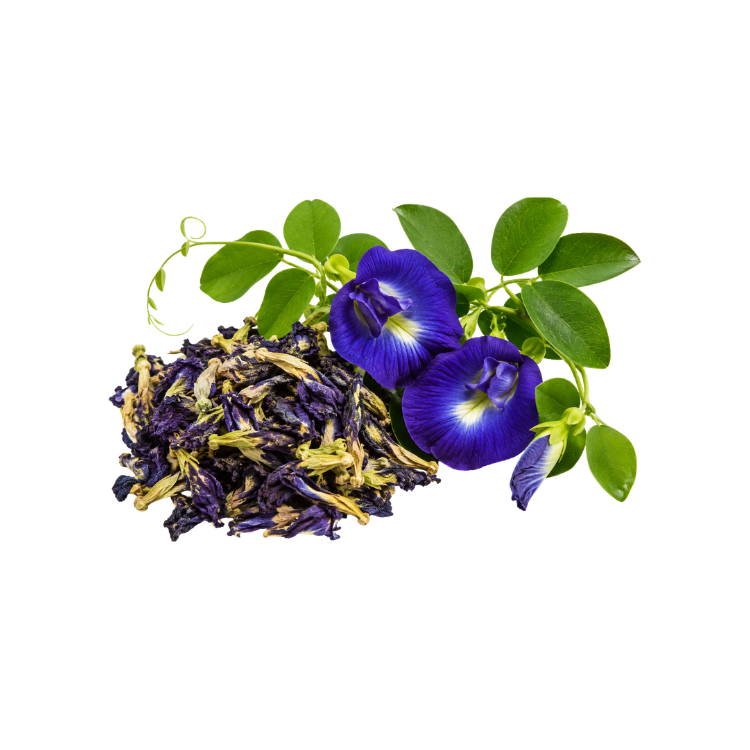
Butterfly Pea Flower **Dried Herb 4oz**
Scientific Name: Clitoria ternatea L.
Common Names: Butterfly Pea Flower, Blue Butterfly Pea, Asian Pigeonwings, Blue Pea, Aparajita
Botanical Family: Fabaceae (Legume Family)
Plant Parts Used: Primarily flowers; roots, leaves, and seeds are used in some traditional medicinal systems
Primary Application: Internal use — herbal teas, botanical infusions, culinary preparations, and extracts
Medicinal Properties & Traditional Uses
Antioxidant: Rich in anthocyanins, particularly ternatins, which exhibit antioxidant activity.
Anti-inflammatory: Contains plant compounds with potential inflammation-modulating properties.
Cognitive Support: Traditionally used in Ayurveda to support memory, concentration, and mental clarity.
Neuroprotective: Investigated for potential protective effects on nerve cells and brain function.
Anxiolytic: Traditionally used to encourage relaxation and reduce nervous tension.
Antimicrobial: Demonstrates antibacterial and antifungal activity in laboratory studies.
Antidiabetic: Studied for its potential influence on blood glucose regulation.
Digestive Support: Traditionally used for digestive discomfort.
Diuretic: Historically used to encourage urination.
Skin Health: Contains antioxidant pigments of interest in cosmetic and skincare formulations.
Antipyretic: Traditionally used to help reduce fever.
Adaptogenic and Stress Support: Associated with resilience and mental well-being in some traditional herbal practices, although clinical adaptogenic effects are not established.
Magickal Correspondences & Uses:
Planet: Venus & Moon
Days of the Week: Friday & Monday
Element: Water/Air
Chakra: Third Eye
Third Eye Activation: Symbolically supporting clairvoyance, spiritual perception, and expanded awareness.
Psychic Development: Enhancing intentions involving divination, tarot, oracle readings, and intuitive exploration.
Dream Magic: Encouraging dream recall, symbolic interpretation, and spiritual insight.
Transformation: Representing personal evolution, adaptability, and the power to change circumstances.
Manifestation: Supporting intentional creation through visualization and focused awareness.
Communication: Encouraging truthful expression, clarity of thought, and speaking with confidence.
Divine Feminine Energy: Symbolizing receptivity, sacred beauty, sensuality, and inner wisdom.
Protection: Traditionally associated with victory and overcoming obstacles through its identity as Aparajita.
Emotional Tranquility: Inviting peace, stillness, serenity, and emotional balance.
Spiritual Purification: Symbolically cleansing stagnant energy and encouraging mental clarity.
Higher Consciousness: Representing spiritual understanding, meditation, and connection with the higher self.
The Flower of Intuition, Divine Wisdom & Sacred Transformation
Butterfly Pea Flower is a beautiful botanical associated with spiritual awakening, heightened intuition, energetic transformation, peaceful communication, and feminine wisdom.
Its vibrant indigo-blue petals symbolize the mysteries of consciousness, while its remarkable ability to transform from blue to purple when exposed to acidity makes it a particularly meaningful flower for rituals involving change, manifestation, and spiritual evolution.
Known as Aparajita in India, meaning "the undefeated" or "unconquered," the flower also carries symbolism of victory, divine protection, and overcoming obstacles.Intuition: Strengthening trust in inner knowing and instinctive wisdom.
Neuroaffirmative Statement for Prayer & Ritual Use:
My intuition is clear, my wisdom is expanding, and my spirit is open to divine understanding. I embrace transformation with grace and confidence. I see beyond limitations, speak my truth with clarity, and trust the sacred guidance within me. Every change unfolds as an opportunity for greater awareness, beauty, and personal power.
Safety Warnings & Contraindications
Drug & Herbal Interactions
Use caution with:
Antidiabetic medications: Insulin, metformin, and other glucose-lowering drugs. Possible additive effects on blood glucose.
Antihypertensives: Lisinopril, losartan, amlodipine, and other blood pressure medications. Theoretical risk of additional blood pressure reduction.
Anticoagulants: Warfarin, apixaban, rivaroxaban, and similar medications. Potential interactions remain unconfirmed.
Antiplatelet medications: Aspirin and clopidogrel. Theoretical interaction concerns.
Sedatives and central nervous system medications: Potential interactions have not been adequately studied
Important: Butterfly pea flowers have a history of use in herbal beverages and foods. However, long-term medicinal safety, particularly for concentrated extracts, has not been adequately established.
Avoid use or consult a healthcare professional if:
Pregnant, trying to conceive, or breastfeeding.
Diagnosed with diabetes or prone to hypoglycemia.
Managing low blood pressure.
Living with liver or kidney disease.
Taking multiple prescription medications.
Preparing for surgery.
Under 18 years of age, particularly when considering medicinal doses or extracts.
Allergic to butterfly pea or other ingredients in the preparation.
Possible side effects: Digestive discomfort or allergic reactions may occur. Reliable information about the frequency of adverse reactions is limited.