
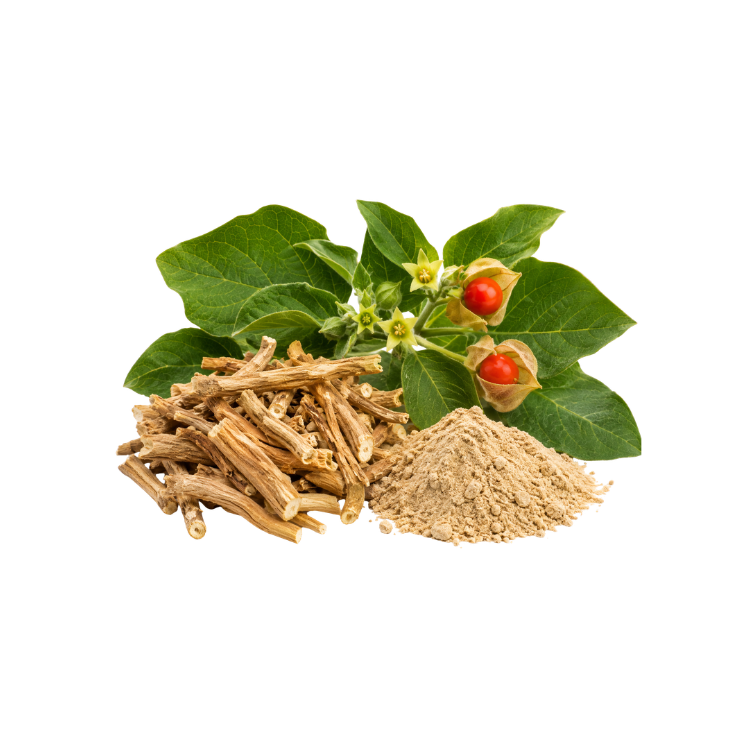
 Image 1 of 1
Ashwaghanda Powder
Ashwagandha — Medicinal Herb Profile
Scientific Name: Withania somnifera (L.) Dunal
Common Names: Ashwagandha, Indian Ginseng, Winter Cherry, Indian Winter Cherry
Botanical Family: Solanaceae (Nightshade Family)
Plant Parts Used: Primarily roots; leaves are used in some traditional preparations and extracts
Primary Application: Internal use — herbal teas, powders, capsules, and standardized extracts
Medicinal Properties & Traditional Uses
Adaptogenic: Traditionally used to support the body's response to physical and emotional stress.
Stress relief: May help reduce perceived stress and cortisol levels.
Anxiolytic: May help ease symptoms of anxiety.
Sleep support: May improve sleep quality and duration.
Anti-inflammatory: Contains withanolides with anti-inflammatory activity.
Antioxidant: Contains compounds that help protect cells against oxidative stress.
Neuroprotective: Demonstrates potential neurological benefits in preliminary research.
Cognitive support: Traditionally used for memory, concentration, and mental clarity.
Reproductive support: Limited evidence suggests improvements in male testosterone levels and sperm quality.
Physical endurance: Investigated for muscle strength, recovery, and exercise performance.
Immune modulation: Demonstrates immunomodulatory activity in preliminary research.
Blood sugar support: May influence glucose regulation.
MAGICKAL USES:
Element: FIRE & EARTH
Day/Planet: TUESDAY/MARS, SATURDAY/SATURN
CHAKRA: ROOT & SACRAL
Grounding and Centering
Emotional Balance
Enhancing Meditation and Spiritual Awareness
Awakening Kundalini Energy
Balancing Yin & Yang Energy
Protection, Spiritual Shielding, Boosting Spiritual Strength and Courage
Enhancing prosperity and abundance, connecting with the divine feminine
Safety Statement
Safety & Precautions: Ashwaghanda is not recommended during pregnancy or breastfeeding, or for individuals with thyroid disorders, autoimmune conditions, liver disease, or hormone-sensitive prostate cancer. May interact with sedatives, thyroid medications, blood pressure medications, diabetes medications, and immunosuppressants. Consult a qualified healthcare professional before use, especially if taking medications or managing a medical condition. Discontinue use if adverse reactions occur. Keep out of reach of children.
Avoid use or seek medical guidance if:
Pregnant, trying to conceive, or breastfeeding.
Diagnosed with hyperthyroidism, hypothyroidism, or another thyroid disorder.
Living with an autoimmune condition such as lupus, rheumatoid arthritis, or multiple sclerosis.
Diagnosed with liver disease, cirrhosis, or a history of supplement-related liver injury.
Diagnosed with stomach ulcers.
Living with hormone-sensitive prostate cancer.
Scheduled for surgery, particularly if anesthesia or sedation will be administered.
Managing diabetes, low blood pressure, or fluctuating blood pressure.
Under 18 years of age, because pediatric safety data are limited.
Possible side effects: Nausea, diarrhea, stomach upset, vomiting, headache, and drowsiness.
Liver warning: Discontinue use and seek prompt medical attention if yellowing of the skin or eyes, dark urine, severe itching, or unexplained fatigue develops.
Drug & Herbal Interactions
Use particular caution with:
Thyroid medications: Levothyroxine and other thyroid hormone therapies. Ashwagandha may increase thyroid hormone levels.
Sedatives and sleep medications: Lorazepam, clonazepam, zolpidem, and similar medications. May increase sedation.
Antihypertensives: Lisinopril, losartan, amlodipine, and similar blood pressure medications. May increase the risk of low blood pressure.
Antidiabetic medications: Insulin, metformin, and other glucose-lowering medications. May increase the risk of low blood sugar.
Immunosuppressants: Prednisone, tacrolimus, cyclosporine, and similar medications. May interfere with immune suppression.
Anticonvulsants: Anti-seizure medications may interact with ashwagandha.
Other calming herbs: Valerian, kava, and other sedating botanicals may increase drowsiness.