
 Image 1 of 1
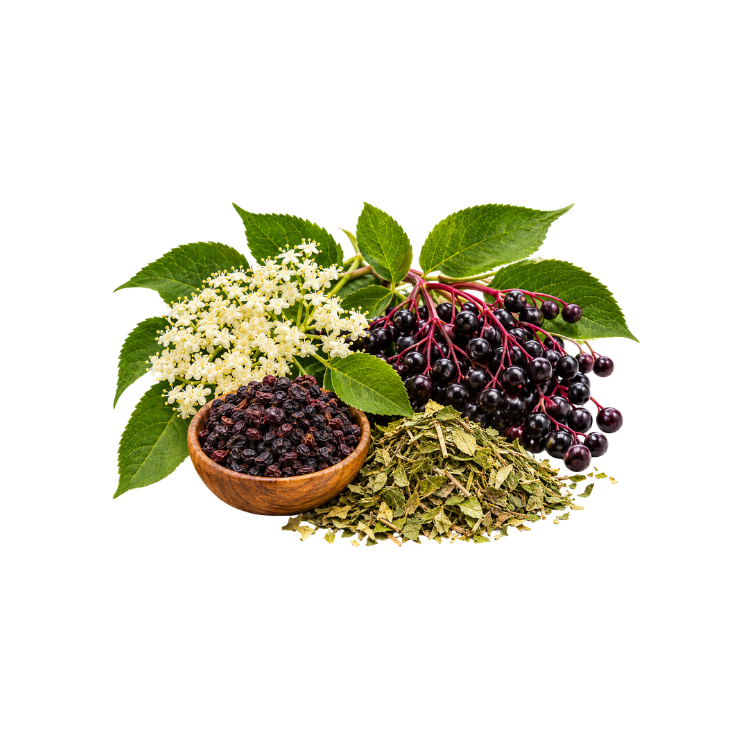
Elderberries **Dried 4oz**
Scientific Name: Sambucus nigra L.
Common Names: Elderberry, Black Elderberry, European Elderberry, European Black Elder, Common Elder, Elder Berries
Botanical Family: Adoxaceae (Moschatel Family), also classified within Viburnaceae in some botanical systems
Plant Parts Used: Dried, fully ripe berries (fruit)
Primary Application: Internal use — properly cooked herbal decoctions, syrups, botanical preparations, and culinary recipes; external use — ceremonial offerings, protection sachets, altar arrangements, and spiritual practices
Medicinal Properties & Traditional Uses
Immune Support: Rich in anthocyanins, flavonoids, and other botanical compounds investigated for their potential immune-modulating properties and ability to support normal immune system responses.
Cold & Respiratory Support: Traditionally used to support wellness during seasonal colds and respiratory illnesses. Certain elderberry extracts may help reduce the duration or severity of upper respiratory symptoms, although clinical findings remain mixed.
Antiviral: Certain elderberry extracts demonstrate antiviral activity against influenza and other viruses in laboratory research, although effectiveness against viral infections in humans remains uncertain.
Anti-inflammatory: Contains anthocyanins, phenolic acids, and flavonoids investigated for their potential inflammation-modulating properties.
Antioxidant: Rich in anthocyanins and polyphenols that demonstrate antioxidant activity and help protect cells against oxidative stress in laboratory studies.
Antimicrobial: Certain elderberry extracts demonstrate antibacterial activity against selected microorganisms in laboratory research, although clinical effectiveness has not been established.
Respiratory Comfort: Traditionally prepared as a cooked syrup or decoction to provide comfort during seasonal respiratory discomfort, coughing, and congestion.
Digestive Support: Historically incorporated into herbal preparations used for occasional constipation and digestive discomfort. Clinical evidence for elderberry fruit alone remains limited.
Diuretic: Traditionally used in European herbal medicine to encourage urination and support the body's natural elimination processes; clinical benefits remain unproven.
Diaphoretic: Historically used in traditional herbal preparations intended to encourage perspiration during seasonal illnesses and feverish conditions.
Cardiovascular Support: Elderberry anthocyanins and polyphenols have been investigated for their potential effects on vascular function and cardiovascular health; human studies have not established consistent clinical benefits.
Blood Sugar Support: Preliminary laboratory research suggests elderberry compounds may influence glucose metabolism, although benefits in humans remain unproven.
Nutritional Support: Naturally contains anthocyanins, phenolic compounds, dietary fiber, and varying amounts of vitamins and minerals, depending on preparation and processing methods.
Seasonal Wellness: Traditionally valued as a botanical used during autumn and winter to support overall wellness, nourishment, and resilience through seasonal changes.
Magickal Correspondences & Uses:
Planet: Venus & Saturn
Days of the Week: Friday & Saturday
Element: Water/Earth
Chakra: Crown & Root
Astrological Signs: Libra & Capricorn
Spiritual Protection: Traditionally associated with guarding the home, strengthening spiritual boundaries, and protecting against unwanted influences and negative energies.
Ancestral Connection: Symbolically strengthening the connection between generations, honoring ancestral wisdom, and encouraging spiritual remembrance and reverence.
Divine Feminine Energy: Representing the wisdom of the Elder Mother, feminine spiritual authority, intuition, nurturing protection, and the sacred power of transformation.
Psychic Development: Supporting intentions involving heightened intuition, spiritual perception, dream interpretation, and the exploration of unseen influences.
Transformation & Rebirth: Symbolizing the completion of outdated cycles, the release of limiting patterns, and the emergence of new possibilities through personal growth.
Spiritual Cleansing: Traditionally incorporated into protective folk practices and contemporary rituals intended to release stagnant energy, remove unwanted influences, and restore energetic harmony.
Protection of the Home: Associated with establishing a spiritually protected household, encouraging peaceful surroundings, and reinforcing energetic boundaries around sacred spaces.
Healing & Restoration: Supporting spiritual intentions involving emotional renewal, spiritual restoration, resilience, and the replenishment of personal vitality.
Wisdom & Discernment: Symbolizing spiritual maturity, inner knowing, ancestral teachings, and the ability to recognize truth beneath appearances.
Banishing & Release: Incorporated into contemporary rituals intended to release harmful attachments, outdated beliefs, and circumstances that no longer serve one's highest good.
Prosperity & Abundance: Symbolically attracting blessings, stability, favorable opportunities, and the resources necessary to sustain personal and family well-being.
Dream Magic & Divination: Associated with intuitive dreams, ancestral symbolism, spiritual messages, and heightened awareness during tarot, oracle, and meditative practices.
Grounding & Stability: Encouraging a strong connection with the Earth, emotional steadiness, security, and the wisdom to remain centered during periods of transition.
Spiritual Renewal: Representing the transformation of adversity into wisdom, the restoration of inner strength, and the ability to embrace new beginnings with confidence.
The Sacred Berry of Ancestral Wisdom, Divine Protection & Spiritual Transformation
Elderberry is a deeply symbolic botanical associated with ancestral wisdom, spiritual protection, transformation, feminine spiritual authority, and the restoration of personal vitality. Its rich, dark purple berries symbolize the mysteries of life, death, rebirth, and the unseen spiritual connections that unite generations. Revered in European folklore, the Elder tree has long been associated with protective spirits, sacred boundaries, and the wisdom of the ancestors. Its fruit represents the gifts of maturity, the abundance of experience, and the power that develops through resilience and transformation.
Its dark violet berries represent spiritual depth, intuition, protection, and the wisdom gained through life's experiences. Through its symbolic connection with Venus, Elderberry embodies divine feminine energy, love, harmony, beauty, and nurturing protection. Its Saturn association represents ancestral wisdom, spiritual boundaries, discipline, endurance, and the transformative lessons of time. The element of Water symbolizes intuition, emotional restoration, dreams, and spiritual sensitivity, while Earth represents grounding, stability, security, and the enduring strength of one's ancestral roots. Its connection to the Crown Chakra encourages spiritual understanding, higher awareness, and ancestral contemplation, while its Root Chakra association reinforces grounding, protection, stability, and connection to one's lineage.
In European folklore, the Elder tree is associated with the Elder Mother, sometimes called Hyldemoer, a protective feminine spirit believed to dwell within the tree. Traditional stories emphasize approaching the Elder with respect and requesting permission before harvesting its branches or other plant materials. This relationship symbolizes reciprocity, gratitude, reverence for nature, and the importance of honoring the spiritual wisdom believed to reside within the natural world.
In contemporary spiritual herbalism, dried Elderberries are incorporated into protection sachets, ancestral altars, spiritual offerings, transformation rituals, prosperity jars, and practices intended to strengthen spiritual boundaries, encourage intuitive awareness, and honor the wisdom of previous generations. Elderberry is particularly suited to spiritual workings focused on ancestral connection, protection, transformation, emotional restoration, intuition, divine feminine energy, and the manifestation of stable and abundant new beginnings.
Neuroaffirmative Statement for Prayer & Ritual Use:
I am deeply rooted in wisdom, protected by the strength of my boundaries, and empowered by the lessons of every generation that came before me. I honor the experiences that have shaped my journey while confidently choosing the beliefs, patterns, and possibilities that support my highest good. My intuition is clear, my spirit is resilient, and my mind recognizes the wisdom available within every experience. I release inherited limitations, outdated fears, and emotional burdens that no longer belong in the life I am creating. I preserve the wisdom of my ancestors while embracing my freedom to establish new traditions of prosperity, harmony, vitality, and fulfillment. My energy is balanced, my decisions are grounded, and my actions reflect confidence, discernment, and personal authority. I welcome loving connections, meaningful opportunities, spiritual understanding, and lasting abundance into my life. Each day, I grow stronger in my wisdom, more confident in my purpose, and more empowered to transform my experiences into a beautiful legacy of growth, protection, prosperity, and enduring well-being.
Safety Warnings & Contraindications
Drug & Herbal Interactions
Use caution with:
Immunosuppressant Medications: Tacrolimus, cyclosporine, mycophenolate, azathioprine, and other medications used to suppress immune system activity. Elderberry may theoretically interfere with their intended effects because of its potential immune-stimulating properties. Clinically significant interactions have not been conclusively established.
Antidiabetic Medications: Insulin, glipizide, glyburide, metformin, and other glucose-lowering medications. Preliminary research suggests elderberry extracts may influence blood glucose regulation, potentially increasing the effects of these medications. Clinical significance remains uncertain.
Diuretic Medications: Furosemide, hydrochlorothiazide, and other prescription diuretics. Elderberry has traditionally been associated with increased urination and may theoretically contribute to additive fluid and electrolyte effects.
Laxative Medications: Senna, bisacodyl, polyethylene glycol, and other laxatives. Elderberry preparations have historically been used for constipation and may theoretically increase laxative effects. Evidence specific to dried elderberries remains limited.
Immune-Modulating Herbs & Supplements: Echinacea, astragalus, medicinal mushroom extracts, and other botanicals promoted for immune support may have overlapping biological activity. The safety of combining multiple concentrated immune-active preparations has not been adequately studied.
Blood Sugar-Lowering Herbs: Concentrated preparations containing cinnamon, fenugreek, bitter melon, or other botanicals investigated for glucose-lowering effects may theoretically increase the risk of additive effects when combined with medicinal elderberry preparations.
Prescription Medications: Clinically significant drug interactions from properly cooked dried elderberry preparations have not been well established. Individuals taking prescription medications should consult a qualified healthcare professional before regular medicinal use.
Important: Dried Elderberries have a long history of traditional use in cooked herbal syrups, decoctions, and culinary preparations. However, raw or improperly prepared elderberries contain naturally occurring cyanogenic glycosides that can release toxic cyanide compounds during digestion. Drying alone does not reliably eliminate these substances. Dried elderberries must be thoroughly cooked before consumption. Never eat dried elderberries directly from the package or consume them as an uncooked infusion. Medicinal safety depends on correct identification, appropriate preparation, quantity, individual sensitivity, and existing health conditions. Long-term medicinal safety has not been adequately established.
Avoid use or consult a healthcare professional if:
Pregnant, trying to conceive, or breastfeeding, because sufficient safety information regarding medicinal elderberry use is unavailable.
Diagnosed with an autoimmune condition such as lupus, multiple sclerosis, rheumatoid arthritis, or another disorder involving abnormal immune system activity.
Taking immunosuppressant medications or receiving treatment following an organ or tissue transplant.
Living with an immunodeficiency disorder or undergoing treatment that significantly affects immune system function.
Receiving chemotherapy or other intensive medical treatments that may affect immune function, particularly without approval from the treating medical team.
Diagnosed with diabetes, particularly when taking medications intended to lower blood glucose levels.
Taking prescription diuretics or laxatives, particularly when managing fluid balance or electrolyte abnormalities.
Living with significant kidney disease, liver disease, or another chronic medical condition requiring careful dietary or medication management.
Under 18 years of age when considering concentrated medicinal preparations, unless advised by a qualified healthcare professional. Safety and appropriate use vary according to preparation and age.
Allergic to elderberries, other Sambucus species, or ingredients included in the herbal preparation.
Experiencing persistent fever, worsening respiratory symptoms, difficulty breathing, or signs of a serious infection requiring medical attention.
Possible Side Effects: Improperly prepared Elderberries may cause nausea, vomiting, abdominal cramping, diarrhea, dizziness, and weakness. Severe poisoning may occur following ingestion of substantial amounts of toxic plant material. Properly cooked Elderberry preparations are generally better tolerated, although digestive discomfort or allergic reactions may still occur. Rare serious adverse events have been reported following use of elderberry-containing supplements, but causation has not always been established.
Special Precautions: Use only properly identified, food- or medicinal-grade dried, fully ripe Elderberries when preparing herbal products. Sambucus nigra should not be confused with other Elder species, as their botanical constituents and safety considerations may differ. Remove leaves, stems, and unripe berries from preparations. Dried Elderberries should be rehydrated and brought to a full boil for at least ten minutes before consumption, following a reliable food-safe preparation method. A simple hot-water steep without adequate cooking should not be considered sufficient. Do not consume uncooked or improperly prepared berries. Avoid using decorative or wild-harvested berries of uncertain identification or quality. Discontinue use if adverse reactions occur. Consult a healthcare professional if respiratory symptoms persist, worsen, or are accompanied by high fever or breathing difficulties.
Keep dried Elderberries out of reach of children and store in a cool, dry location away from direct sunlight to preserve their botanical quality, color, and freshness.